Crib mattresses provide a firm, flat sleeping surface sized for an infant’s crib. Fit is essential: the mattress should match the crib dimensions and leave no hazardous gaps around the edges. Understanding firmness, materials, construction, and care helps caregivers assess comfort, support, and practical suitability for everyday bedding needs.
Organic crib mattresses are made with organic materials in some or all components, depending on the product. Families comparing these options can review material disclosures, certifications, and care instructions to understand what is used in the cover and interior. Organic materials may be relevant for households seeking alternatives to conventional mattress components.
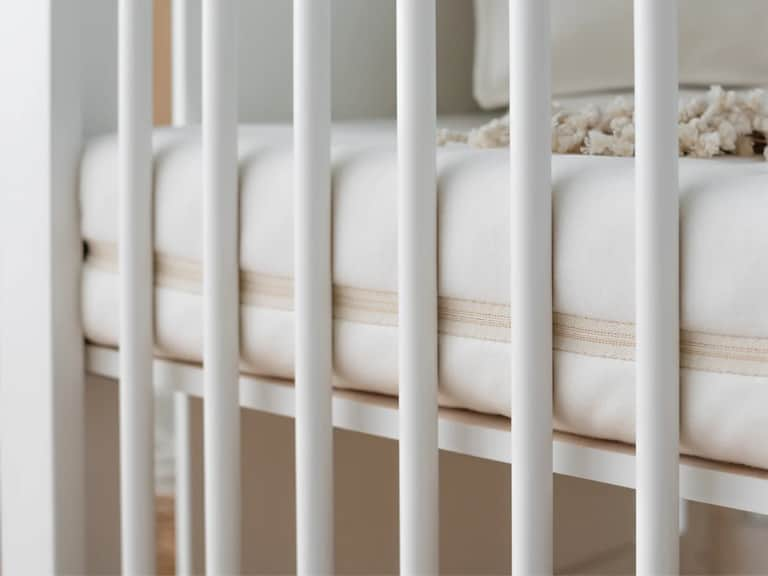
The Obasan Organic Crib Mattress is an example of a crib mattress identified for its organic construction. Its materials and design are intended for use in an infant sleep space, while its crib-specific format supports compatibility with appropriately sized cribs. Caregivers should consult product specifications for dimensions, firmness, composition, and maintenance guidance.
When evaluating crib mattresses, prioritize a firm, level surface, a snug fit, and construction suited to the crib’s requirements. A well-fitting mattress can help reduce gaps at the sides, while a removable or cleanable cover, when specified, may make routine care easier. Always follow current safe-sleep guidance and manufacturer instructions.
Crib mattresses are distinct from adult bedding, pillows, and latex mattresses because they are designed for infant sleep spaces and must meet the crib’s size and use requirements. Comparing organic mattresses with other options means checking documented materials and features rather than relying on labels alone. This helps clarify which bedding characteristics fit a family’s needs.
 Nursery