A nursery sleep environment combines a suitable sleep surface with breathable bedding and age-appropriate pillows or other accessories used according to safety guidance. Understanding mattress materials, construction, fit, and care helps caregivers create a comfortable space that supports a baby’s rest while keeping the sleep area simple and uncluttered.
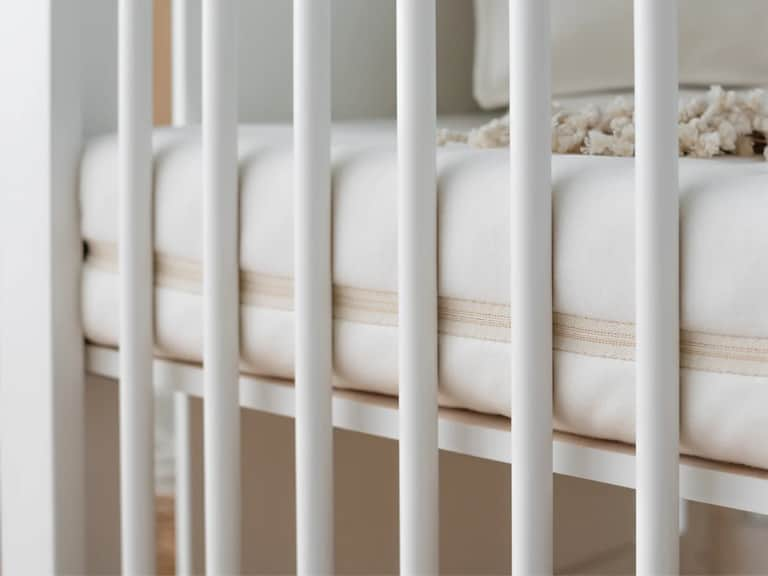
Organic crib mattresses are designed for infant and toddler beds, with dimensions intended to fit compatible cribs securely. A close fit helps reduce gaps around the mattress edges. Caregivers should check the crib and mattress specifications together, and follow current safe-sleep recommendations when selecting bedding and preparing the sleep surface.
The Obasan Organic Crib Mattress is a product in this category, characterized by organic materials and a construction intended for crib use. Its relevance to nursery planning includes the mattress’s size, firmness, material composition, and care requirements. Reviewing these details helps families assess compatibility with a crib and their household preferences.
Latex is one material that may be used in mattress construction; its properties differ from those of foam, fiber, and other materials. For any organic mattress, product specifications can clarify which components are certified or organically sourced. This distinction is useful when comparing organic crib mattresses and evaluating material sensitivities or maintenance needs.
Nursery bedding includes fitted sheets and related textiles, while pillows are generally not appropriate for an infant sleep space under safe-sleep guidance. Choosing washable, correctly sized bedding supports practical care and a secure fit. A well-planned nursery considers mattress compatibility, breathable textiles, room conditions, and consistent adherence to pediatric sleep recommendations.
 Nursery